“To plant a garden is to believe in tomorrow.” — Audrey Hepburn
If your brightest spot is an east-facing window, you’re in luck. Morning sun is usually gentler than afternoon sun,
so you can grow many popular houseplants without crispy leaf edges or sunburn.
The goal is to match plants to the real conditions on your sill—because “east window” can mean very different light levels
depending on trees, buildings, seasons, and even the type of window glass.
What light an east-facing window provides
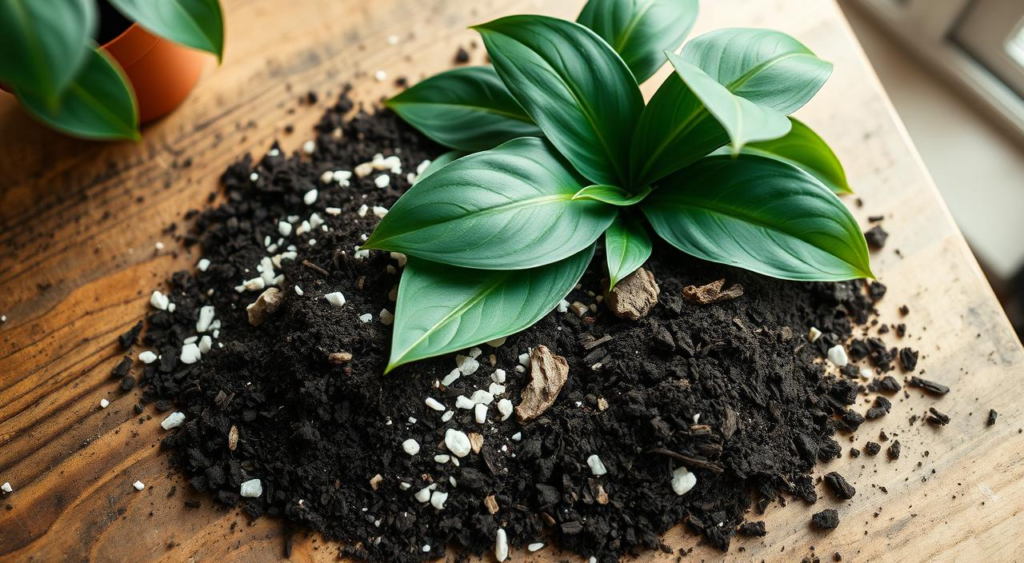
Most east-facing windows deliver direct sun shortly after sunrise, then shift to bright, indirect light.
That’s perfect for plants that want brightness but dislike harsh midday rays.
- Sharp, dark shadow on your hand in the morning = direct sun (stronger light).
- Soft-edged shadow = bright indirect light (great for many tropical houseplants).
- Barely visible shadow = low light (choose tougher plants or move closer to the glass).
If you want to get more precise, a smartphone lux-meter app can help you compare spots (windowsill vs. 50 cm back).
Don’t obsess over numbers—use them to choose placement and to troubleshoot.
Use the shadow test above to judge your actual light.
Quick picks: best east-facing window plants
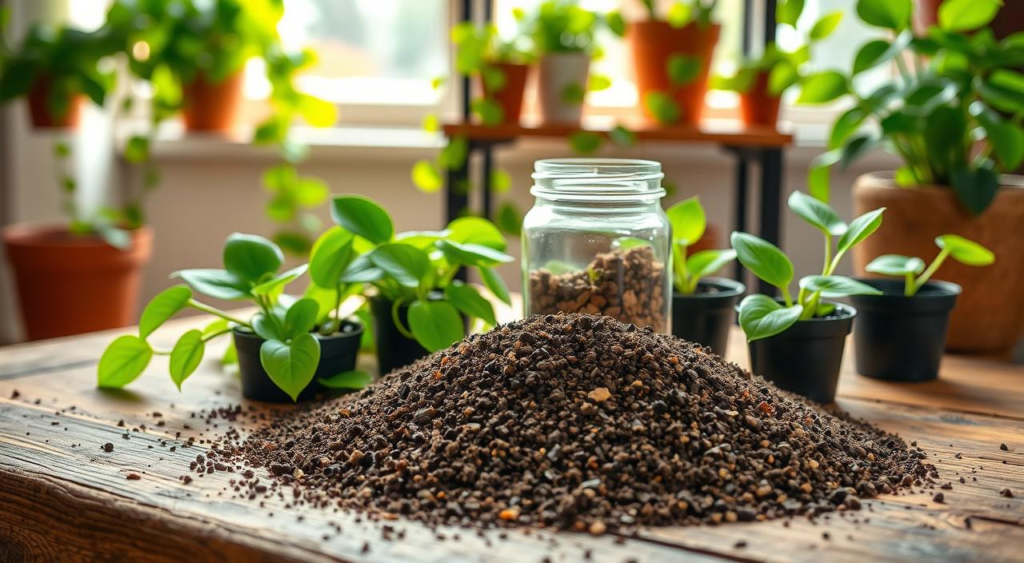
These are reliable choices for east-facing window plants and “morning sun houseplants”:
- Peace lily (Spathiphyllum) — bright indirect light, consistent moisture
- Pothos (Epipremnum aureum) — adaptable, great trailing vine
- Snake plant (Dracaena trifasciata) — tough, low-water
- Spider plant (Chlorophytum comosum) — easy + fast growth
- Chinese evergreen (Aglaonema) — foliage color, medium light
- Boston fern (Nephrolepis) — loves humidity + indirect light
- African violet (Saintpaulia) — blooms well in bright, indirect light
- Phalaenopsis orchid (moth orchid) — east windows are often ideal
- Prayer plant (Maranta/Calathea group) — patterned leaves, indirect light
Plant comparison chart (care + pet-safety)
Use this chart to choose the right plant for your lifestyle. “Pet-safe” is based on ASPCA listings where available.
Even non-toxic plants can still cause mild stomach upset if chewed.
| Plant | Best light in an east window | Watering style | Humidity | Pet safety (cats/dogs) | Beginner-friendly? |
|---|---|---|---|---|---|
| Peace lily (Spathiphyllum) | Bright, indirect; avoid hot direct sun | Even moisture; don’t let it sit soggy | Medium–high | Not pet-safe | Yes (if you nail watering) |
| Pothos (Epipremnum aureum) | Bright, indirect; tolerates lower light | Let top soil dry slightly | Average | Not pet-safe | Yes |
| Snake plant (Dracaena trifasciata) | Low to bright; handles some morning sun | Dry out well between waterings | Low–average | Not pet-safe | Yes |
| Spider plant (Chlorophytum comosum) | Bright, indirect; gentle morning sun ok | Water when top dries | Average | Pet-safe | Yes |
| African violet (Saintpaulia) | Bright, indirect | Even moisture; avoid wet leaves | Average | Pet-safe | Yes |
| Phalaenopsis orchid | Bright light; protect from direct summer sun | Soak then drain; bark mix | Medium–high | Pet-safe | Yes (once routine is set) |
| Prayer plant (Maranta/Calathea) | Bright, indirect; no direct sun | Lightly moist; not waterlogged | High | Pet-safe | Medium |
| Chinese evergreen (Aglaonema) | Indirect light; tolerates medium | Moderate; avoid soggy soil | Medium–high preferred | Not pet-safe | Yes |
| Boston fern (Nephrolepis) | Bright, indirect | Consistently moist | High | Often listed as pet-safe | Medium |
Plant-by-plant care (placement, watering, troubleshooting)
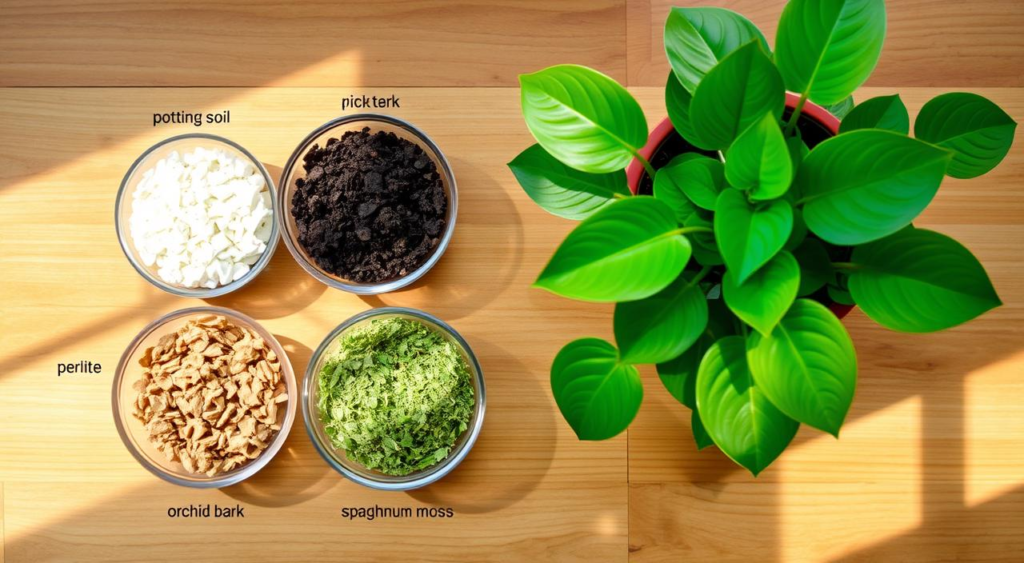
Peace Lily (Spathiphyllum)
Best for: bright, indirect Not pet-safe
Peace lilies thrive near a window in bright, indirect light. They’ll tolerate deeper shade, but growth and flowering slow down.
Avoid direct summer sun that can scorch leaves.
- Placement: On an east windowsill with filtered morning sun, or 30–60 cm (12–24 in) back if sun feels intense.
- Watering: Keep soil lightly moist; water when the top layer begins to dry. Empty saucers so roots don’t sit in water.
- Humidity: Average home humidity works; higher humidity helps leaf tips stay neat.
- Troubleshooting: Yellow leaves often mean watering issues; brown tips can be dry air, salts, or too much sun.
Snake Plant (Dracaena trifasciata, formerly Sansevieria)
Best for: low-water homes Not pet-safe
Snake plants tolerate a wide range of light, including some direct sun part of the day, and can handle lower light—just with slower growth.
They strongly prefer drying out between waterings.
- Placement: East windowsill is usually perfect; rotate monthly for even growth.
- Watering: Let the pot dry out well, then water thoroughly. In winter, water much less.
- Soil: Fast-draining mix (cactus mix or potting soil cut with perlite).
- Troubleshooting: Mushy base = overwatering/root rot. Wrinkled leaves = too dry for too long.
Pothos (Epipremnum aureum)
Best for: hanging baskets Not pet-safe
Pothos is a classic “wins on easy mode” vine. It prefers bright, indirect light but tolerates lower light,
making it excellent for east windows that get bright mornings and softer light later.
- Placement: On the sill or slightly back; variegated types need brighter light to keep patterns.
- Watering: Water when the top 2–3 cm (about 1 in) feels dry.
- Pro tip: If vines get leggy, prune and propagate cuttings to thicken the pot.
- Troubleshooting: Yellow leaves usually = too much water; small new leaves = needs brighter light or feeding.
Spider Plant (Chlorophytum comosum)
Best for: pet-friendly homes Pet-safe
Spider plants love bright, indirect light and often handle gentle morning sun well. They also make easy “baby plants” (spiderettes).
- Placement: Hang near the east window, or set on the sill with a sheer curtain if sun is strong.
- Watering: Water when the top soil dries; don’t keep constantly wet.
- Propagation: Pot spiderettes once tiny roots appear, or root them in water first.
- Troubleshooting: Brown tips can come from inconsistent watering, salts, or low humidity—trim tips and adjust care.
African Violet (Saintpaulia)
Best for: blooms indoors Pet-safe
African violets often bloom beautifully in bright, indirect light.
They prefer evenly moist soil and dislike water sitting on fuzzy leaves.
- Placement: Bright east window, protected from direct sun; rotate weekly.
- Watering: Keep evenly moist; bottom watering helps prevent leaf spotting.
- Feeding: Use a balanced fertilizer at a diluted strength during active growth.
- Troubleshooting: No blooms usually means not enough light; mushy crown means overwatering.
Phalaenopsis Orchid (Moth Orchid)
Best for: long-lasting flowers Pet-safe
East-facing windows are commonly recommended for moth orchids—bright light without harsh midday sun.
In summer, protect them from direct sun to avoid scorch.
- Placement: East window is often ideal; in winter, slightly brighter placement can help flowering.
- Watering: Water thoroughly, then let drain completely. Avoid “ice cube” watering—aim for a consistent routine.
- Medium: Bark-based orchid mix (not standard potting soil).
- Troubleshooting: Wrinkled leaves often indicate underwatering or root issues; black/mushy roots point to overwatering.
Chinese Evergreen (Aglaonema)
Best for: patterned foliage Not pet-safe
Chinese evergreens do well in good indirect light and can tolerate medium light. They prefer a lightly moist—but not soggy—mix.
- Placement: East window with indirect light; avoid harsh direct sun.
- Watering: Let the top layer dry slightly, then water; reduce in winter.
- Troubleshooting: Yellowing leaves often indicate watering stress; leggy growth can mean it needs brighter light.
Boston Fern (Nephrolepis exaltata)
Best for: lush green fronds Often pet-safe
Boston ferns love bright, indirect light and higher humidity. If your home is dry, this plant benefits from a humidifier
or a pebble tray.
- Placement: Near (not in) direct sun; morning light filtered by a sheer curtain is ideal.
- Watering: Keep evenly moist; don’t let it bone-dry.
- Humidity: Higher humidity reduces crispy tips and leaf drop.
- Troubleshooting: Crispy fronds usually mean low humidity or inconsistent watering.
Prayer Plant (Maranta / Calathea group)
Best for: dramatic leaf patterns Pet-safe
Prayer plants prefer bright, indirect light and consistent moisture. Direct sun often fades patterns and scorches leaves.
- Placement: Slightly back from the east window, or behind a sheer curtain.
- Watering: Keep lightly moist; avoid waterlogging.
- Humidity: Higher humidity helps prevent brown edges.
- Troubleshooting: Leaf curl or crispy edges often mean low humidity or inconsistent watering.
Seasonal care tips for your east-facing window garden
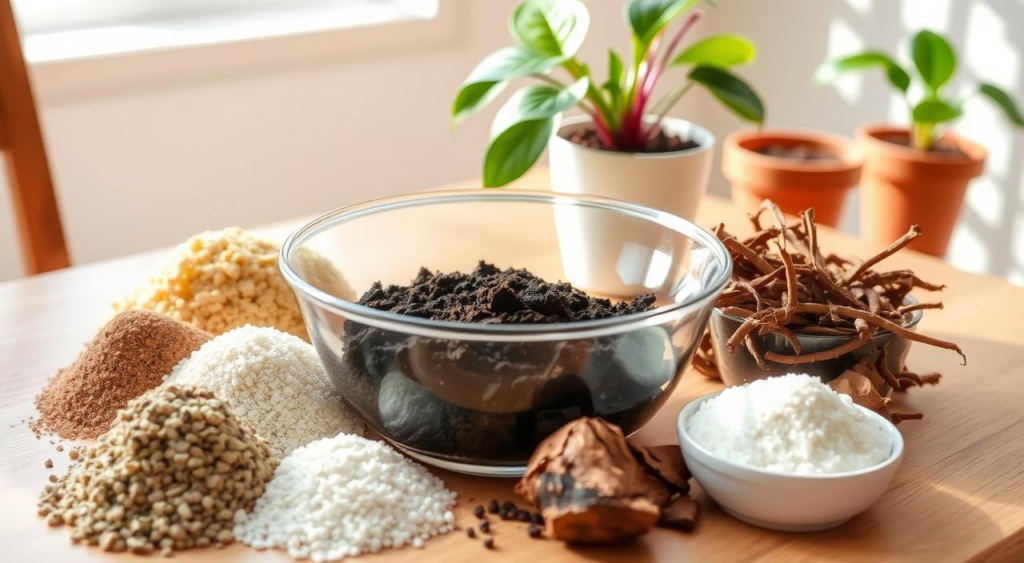
- Spring & summer: More light + warmth usually means faster drying. Check soil more often and feed lightly during active growth.
- Autumn & winter: Growth slows. Water less frequently, pause heavy fertilizing, and keep plants away from cold drafts.
- Rotate plants: Turn pots every 1–2 weeks to prevent leaning toward the window.
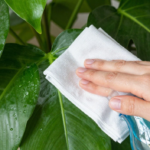
- Clean leaves: Dust blocks light—wipe foliage gently to help plants photosynthesize efficiently.
Troubleshooting cheat sheet (fast diagnosis)
| Symptom | Most common cause | What to do |
|---|---|---|
| Bleached patches / crispy areas | Too much direct sun (sun scorch) | Move 30–60 cm back or add a sheer curtain; remove badly damaged leaves. |
| Long, stretched stems (leggy growth) | Not enough light | Move closer to window; prune and rotate; consider a small grow light in winter. |
| Yellow leaves | Overwatering (most common) or underwatering | Check soil moisture and drainage; adjust watering; ensure pot has drainage holes. |
| Brown tips on leaves | Low humidity, salts, inconsistent watering | Increase humidity; flush soil occasionally; water more consistently. |
| Sticky residue or webbing | Pests (mealybugs/spider mites) | Isolate plant; rinse foliage; treat with insecticidal soap as needed. |
FAQs
Is an east-facing window good for houseplants?
Yes. East-facing windows usually provide gentle morning sun followed by bright, indirect light—ideal for many popular indoor plants.
How many hours of sun does an east-facing window get?
Often around 2–4 hours of direct morning sun, then bright indirect light. Trees, buildings, and seasons can change that.
Can succulents go in an east-facing window?
Some can. If your succulents stretch or lose color, they likely need stronger or longer light (often south/west or a grow light).
Low-sun succulents like haworthia may do better than sun-hungry varieties.
What are the best pet-safe plants for east-facing windows?
Common pet-safe choices include spider plants, African violets, prayer plants, and Phalaenopsis orchids.
Always confirm the exact species and keep plants out of chewing reach.
References
- Google AdSense Help: Your AdSense account wasn’t approved
- Google AdSense Help: Eligibility requirements for AdSense
- Google Search Central: Creating helpful, reliable, people-first content
- Google Search Central: Spam policies for Google Web Search
- RHS: How to grow peace lilies
- NC State Extension Plant Toolbox: Dracaena trifasciata (snake plant)
- Missouri Botanical Garden Plant Finder: Epipremnum aureum (pothos)
- Iowa State University Extension: African violets care
- RHS: How to grow Phalaenopsis (moth orchids)
- RHS: Indoor orchids overview
- ASPCA: Spider Plant (non-toxic)
- ASPCA: African Violet (non-toxic)
- ASPCA: Prayer Plant (non-toxic listing)
- ASPCA: Phalaenopsis Orchid (non-toxic)
- ASPCA: Common houseplants that can cause trouble for pets