If your weeks are busy (or you travel), “forgetting to water” isn’t a moral failure—it’s just a system problem. A good self-watering planter (more accurately: a sub-irrigated or wicking planter) gives your plant a steady sip from a reservoir instead of random floods from the top. When the design is right and the soil mix is right, plants stay more stable—and stable is what keeps them alive.
Important honesty note: “Tested” in this article means I’m combining (1) long-run third-party testing results, (2) extension/botanic guidance on how self-watering containers work, and (3) a practical checklist you can apply in your own home. I’m not claiming a lab test of every model listed.
Quick verdict: what actually keeps plants alive on busy weeks
- Best for most people: a reservoir planter with an overflow hole, a reliable wick/capillary platform, and easy-to-clean access. (That overflow detail matters—University of Maryland Extension notes many self-watering designs use an overflow hole on the side to prevent flooding.) University of Maryland Extension
- Best plants for self-watering: herbs, leafy greens, many tropical houseplants (pothos, peace lily, philodendron), and thirsty outdoor containers. Better Homes & Gardens (tested planters)
- Plants to be cautious with: many cacti and succulents—steady moisture can be “too kind” unless the mix is very airy and you intentionally run dry phases. Better Homes & Gardens
- One habit that prevents most failures: top-water occasionally to flush salts and refresh oxygen in the root zone (especially if you fertilize). University of Maryland Extension (watering + salts)
How self-watering planters actually work (plain English)
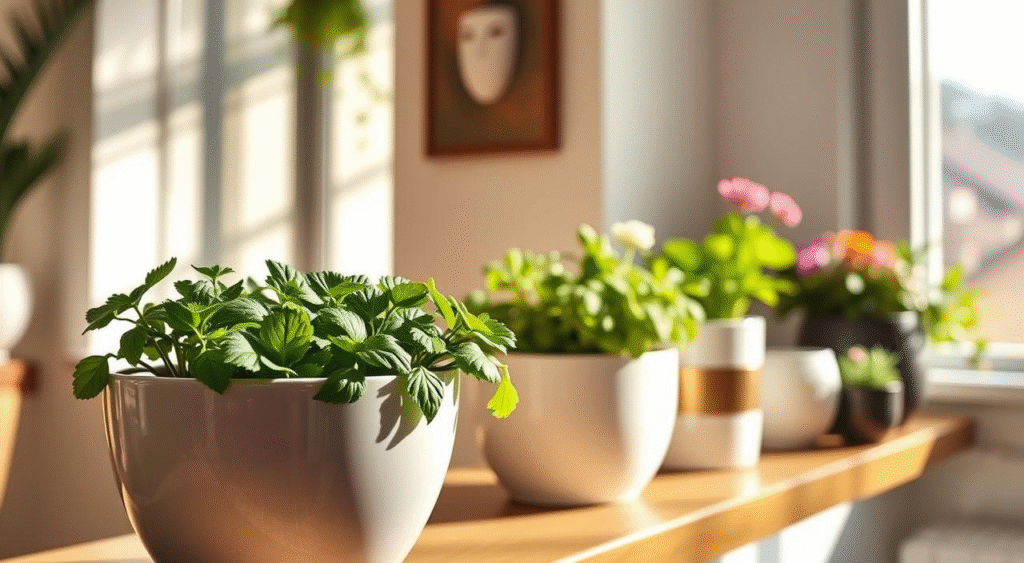
Most self-watering planters share the same idea: water sits in a lower reservoir, while the potting mix sits above it. Moisture moves upward through capillary action (water climbing through small spaces) and/or a wick (fabric/rope/spongy plug). University of Kentucky (Wicking Containers PDF) UF/IFAS Extension
Many modern systems also include:
- Overflow protection (so you can’t accidentally fill the reservoir beyond a safe level). University of Maryland Extension
- A water level indicator (a float that shows “min” and “max”). LECHUZA (sub-irrigation system)
- A planned “dry phase” (some systems recommend waiting after the reservoir hits “min” before refilling, to avoid constantly wet roots). LECHUZA
What “tested” means here: our evaluation checklist
Instead of pretending every planter was tested in one identical home (that’s not realistic), I used a practical checklist based on how these systems fail in real life. Then I cross-checked claims with reputable testing and manufacturer instructions.
Pass/fail features that matter more than the brand name
- Overflow hole or overflow path (prevents reservoir flooding). UMD Extension
- Easy refill + clear indicator (if it’s annoying, you won’t use it).
- Root aeration gap (a platform or air space between reservoir and mix helps reduce “swamp roots”).
- Cleaning access (you should be able to rinse the reservoir—algae and mineral buildup happen).
- Outdoor durability if it lives outside (UV + frost resistance; some systems include drain screws for outdoor rain). LECHUZA product details (example)
What I trust most for performance claims
- Long-run independent tests (e.g., Better Homes & Gardens’ multi-month test across multiple models). BHG
- Extension guidance on how these containers function and why they fail. UMD Extension UKY PDF
- Manufacturer care instructions (especially around dry phases, initial setup, and outdoor drainage). LECHUZA
Self Watering Planters Tested: the most reliable picks by use case
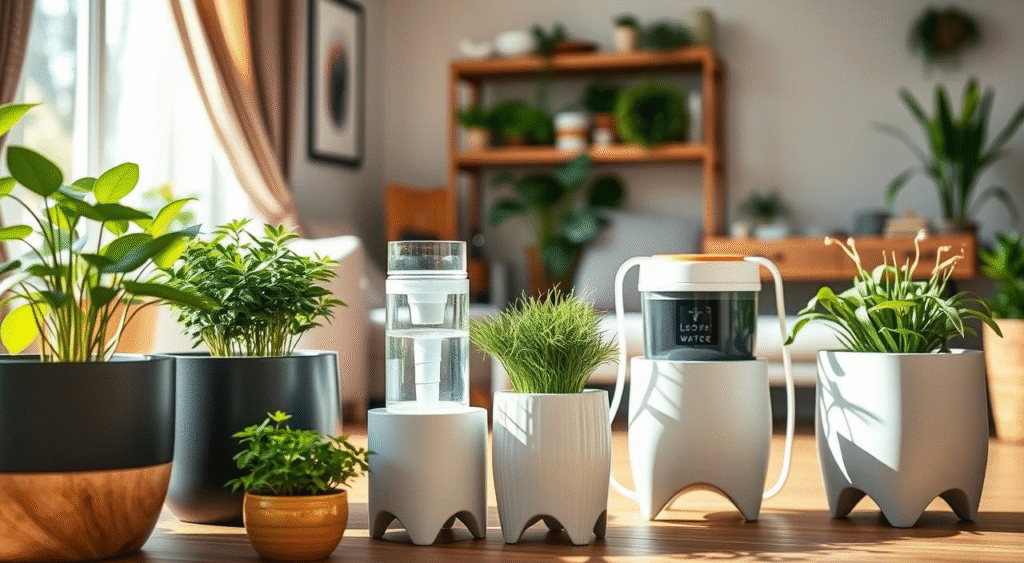
Below are proven styles and a few widely available examples. Treat these as “shortlists” to compare designs—not a command to buy a specific SKU (availability changes).
| Use case | What to look for | Examples worth comparing |
|---|---|---|
| Indoor houseplants (busy weeks) | Water indicator, easy refill, cleaning access, stable base | HBServices USA self-watering/aerating style pots (tested category mention) BHG |
| Premium indoor/outdoor “set it and check it” | Dry-phase guidance + indicator, UV/frost resistance, optional outdoor drain | LECHUZA CLASSICO line (official sub-irrigation + dry phase guidance) LECHUZA |
| Outdoor containers and patios | Large reservoir, overflow protection, weatherproof materials | Tierra Verde Sonata (BHG best overall in their test) BHG |
| Large premium planters | Long refill intervals, sturdy build, indicator that’s easy to read | Crescent Garden Rim TruDrop (BHG highlighted long interval) BHG |
| Raised beds with built-in reservoir | Reservoir capacity, drainage, comfort height, weatherproofing | Keter Splendor / Keter elevated beds (tested reviews + product water indicator) The Spruce Keter |
If you want one “safe” place to start: pick a reservoir planter with an overflow hole and an indicator, then put it under a plant that likes consistent moisture (pothos, peace lily, basil). Skip the cactus for your first experiment.
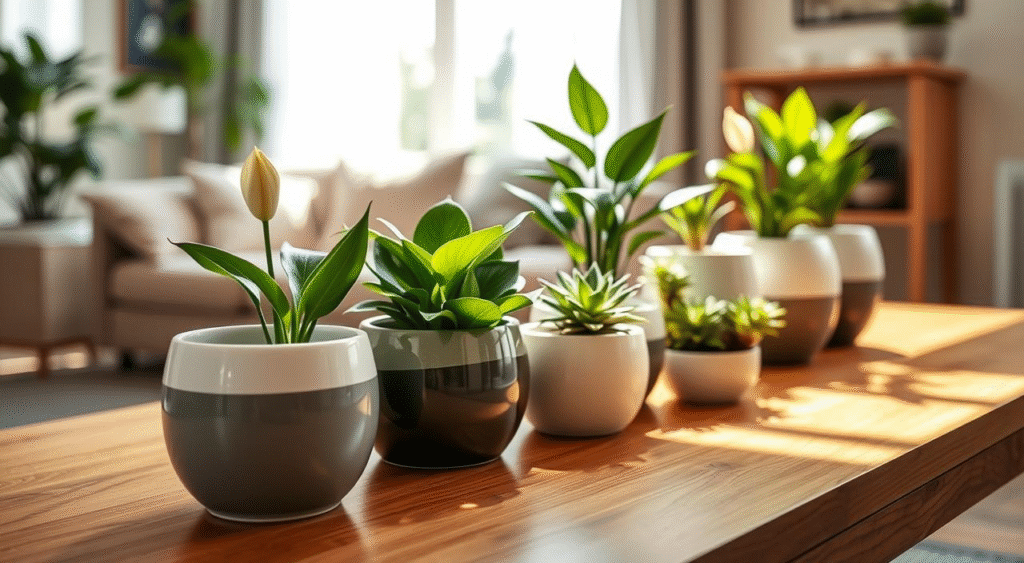
The setup that makes (almost) any self-watering planter work
Most “self-watering failed me” stories come from setup mistakes: heavy soil, wick not seated, reservoir always full, or roots never reaching the moisture zone.
Step 1: Use the right mix (light and airy)
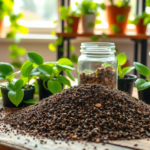
Wicking systems move water through small spaces, so a compacted, heavy mix can either stay swampy or block moisture movement. Aim for a potting mix that stays airy (many people add perlite). For true wicking-container builds, extension guidance emphasizes how capillary action depends on soil particle size and structure. University of Kentucky (Wicking Containers)
Step 2: Top-water first (yes, even in a self-watering pot)
After potting up, top-water to fully wet the mix and “start” the wicking path. Many systems also expect a short growing-in period before you rely only on the reservoir. (LECHUZA’s guidance, for example, builds in a routine that includes a dry phase after the reservoir hits “min.”) LECHUZA
Step 3: Build in a “dry phase” to avoid root rot
A constant full reservoir can keep some plants too wet. A practical rhythm is: fill to “max,” let it drop to “min,” then wait a bit before refilling—especially for plants that like to dry slightly. LECHUZA explicitly describes a dry phase once the indicator reads “min.” LECHUZA
Step 4: Do a 7-day “busy-week calibration”
Here’s the most useful real-world trick: mark the reservoir level (or note the indicator position), then check again after 7 days. That tells you how fast your home, light, and plant actually drink water. Once you know that weekly rate, choosing refill frequency becomes simple.
Common problems (and fixes that don’t ruin your plant)
1) Algae in the reservoir
Algae is mostly a light + water issue. Fix it by blocking light and cleaning—not by pouring random kitchen chemicals into the reservoir.
- Keep the reservoir area dark (opaque pots help; avoid direct sun on the water chamber).
- Every few weeks, empty and rinse the reservoir and wipe any slime film.
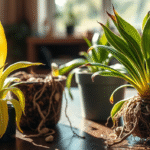
2) Root rot / sour smell
Root rot in self-watering planters usually means the root zone stayed too wet for too long.
- Stop keeping the reservoir permanently full; introduce a dry phase. LECHUZA
- Switch to a chunkier mix (better air exchange).
- Confirm there’s an overflow path; many self-watering designs rely on that overflow hole to prevent flooding. UMD Extension
3) Leaves yellowing even though “the indicator says water”
Two common causes: (1) roots are stressed from constant wetness, or (2) salts built up because you never flush from the top. University of Maryland Extension recommends periodic top-watering until runoff to wash out excess soluble salts. UMD Extension
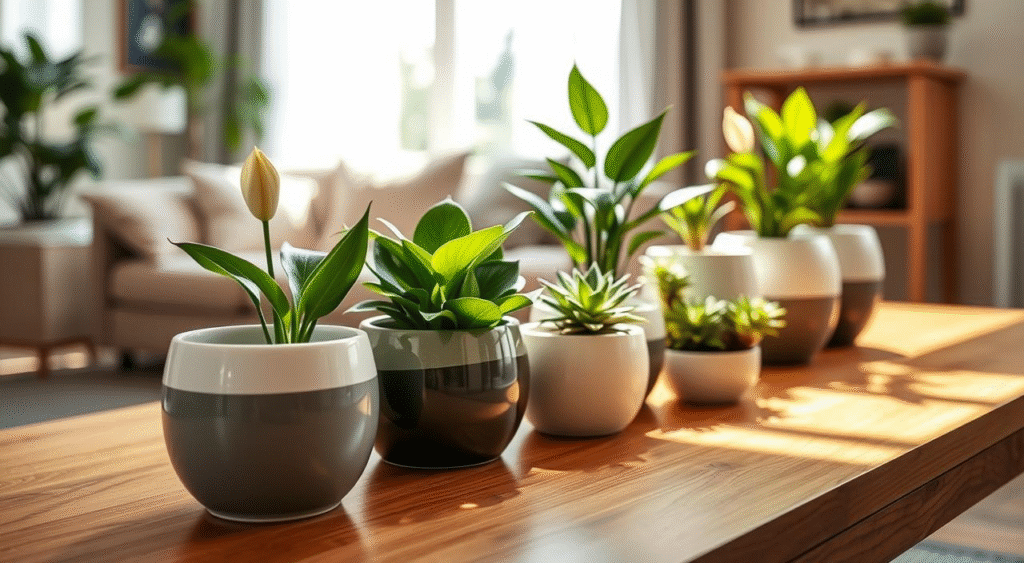
Buying checklist: how to choose the right self-watering planter
Before you buy, answer these three questions (this is the “busy-week” filter):
- How thirsty is the plant? Herbs and peace lilies drink faster than snake plants.
- How long do you need it to last? Weekend away, 10-day work trip, or “I just forget”?
- Where will it live? Hot balcony and wind = faster refill; cool office = slower.
Then check the pot itself:
- Overflow protection (non-negotiable). UMD Extension
- Reservoir access you will actually clean (your future self will thank you).
- Indicator you can read at a glance (or a transparent level window).
- Outdoor use: UV resistance, frost resistance, and an outdoor drain option if heavy rain is common. LECHUZA (example specs)
DIY self-watering: the cheap backup plan (works surprisingly well)
If you’re not ready to buy anything, a DIY reservoir + wick setup can work for herbs and many common houseplants. A simple conversion (container + reservoir + wicking path) is often enough to get you through busy weeks. Lovely Greens (DIY guide)
FAQs
1) Do self-watering planters really work?
Yes—when the planter has overflow protection and the soil mix supports wicking. Extension services describe these systems as reservoir + platform/wick designs that move water upward as needed. UMD Extension
2) How often do you refill them?
It depends on reservoir size, plant size, and your conditions. Some independent tests found certain models could go significantly longer than a week, while others need more frequent refills—hot weather and outdoor wind shorten the interval fast. Better Homes & Gardens (tested)
3) Can you still overwater in a self-watering planter?
Yes. If the reservoir stays constantly full, the mix is heavy, or the plant dislikes constant moisture, roots can stay oxygen-starved. Using overflow protection, an airy mix, and a dry phase helps reduce the risk. LECHUZA (dry phase guidance)
4) Do I ever need to water from the top?
Yes. Top-watering helps settle the mix at setup, and periodic flushing helps reduce salt buildup. University of Maryland Extension recommends watering until runoff to wash out excess salts (fertilizer residue). UMD Extension
5) Are self-watering planters good for succulents?
Sometimes, but they’re not the easiest match. Many succulents prefer drying cycles; if you try it, use a gritty, fast-draining mix and allow longer dry phases. For beginners, start with thirstier plants first. BHG
About the author
Mohammed Zandar (yup.work90) writes practical plant-care guides focused on simple routines that work in real homes—especially for busy schedules. His goal is to make plant care feel like a repeatable system, not guesswork.
Sources
- University of Maryland Extension: Self-Watering Containers
- University of Kentucky: Wicking Containers (PDF)
- UF/IFAS Extension: Self-watering container garden
- LECHUZA: Sub-irrigation system (how it works + dry phase)
- University of Maryland Extension: Watering indoor plants (salt flushing)
- Better Homes & Gardens: Best self-watering planters (tested)
- Lovely Greens: DIY self-watering planter