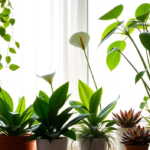
Low light doesn’t mean you have to give up on real plants. It just means you need the right “shade-tolerant” species (and a slightly different care mindset).
Quick reality check: there are very few houseplants that truly prefer darkness. Most “low-light plants” are low-light tolerant—they’ll stay alive and look good in dimmer spots, but they grow slower and need less water. That’s normal. (Nebraska Extension explains light categories and how indoor light affects plant growth.) Nebraska Extension (PDF)
This guide focuses on plants that hold up in real homes: north-facing flats, shaded offices, hallways, and rooms where the sun just doesn’t reach. You’ll get 15 picks that are genuinely forgiving—plus simple rules so you don’t kill them with kindness (usually overwatering).
What “Low Light” Means Indoors (Without Fancy Equipment)
Low light is usually a spot that’s bright enough to walk around and read large text during the day, but not bright enough to cast strong shadows. It often looks like:
- Directly in front of a north-facing window
- Several feet/metres back from an east or west window
- A room with windows where the plant sits far from them (hallways and corners)
- Filtered light through sheer curtains, trees, or nearby buildings
Two fast checks:
- Shadow test: sharp shadows = brighter light; soft or barely-there shadows = low light.
- Distance test: if you move a plant 1–2 metres farther from the window, light drops fast—often more than people expect.
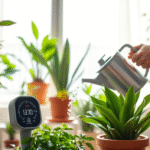
If you want an optional free upgrade, a phone “lux meter” app can help you compare corners of your home. You don’t need perfect numbers—just “this shelf is dimmer than that windowsill.”
Before You Buy: The 3 Rules That Keep Low-Light Plants Alive
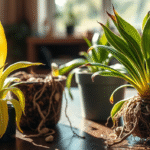
- Water less than you think. In low light, soil dries slower. Overwatering is the #1 reason “easy” plants fail.
- Use drainage (always). A pot with drainage holes + a well-draining mix prevents root rot.
- Expect slower growth. Low light usually means fewer new leaves and longer time between repots.
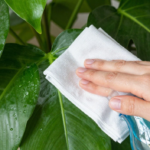
Bonus: wipe dusty leaves once in a while. Dust blocks light, and in low-light rooms every bit matters.
Pet Safety Note (Important)
If you have cats or dogs that chew leaves, check toxicity before you bring plants home. Many popular low-light plants (like pothos, peace lily, snake plant, ZZ plant) can cause mouth irritation or stomach upset if eaten. The ASPCA maintains a searchable toxic/non-toxic plant database. ASPCA: Toxic and Non-Toxic Plants
15 Low-Light Houseplants That Actually Hold Up Indoors
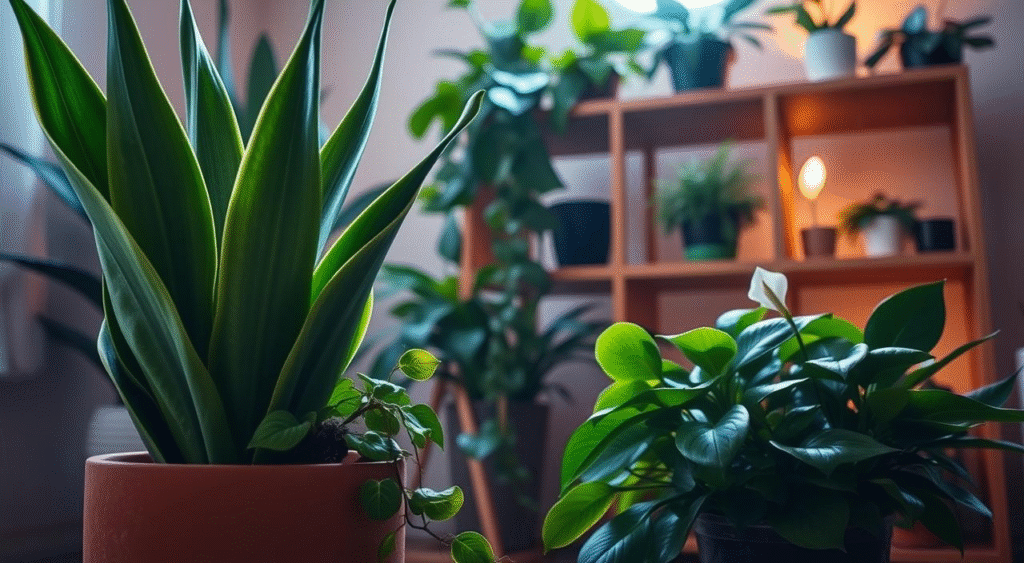
How to use this list: pick 1–2 plants that match your habits. If you forget watering, choose drought-tolerant types. If you like weekly routines, choose ferns and prayer plants.
1) Snake Plant (Dracaena trifasciata / Sansevieria)
Why it works: handles very low light and irregular care.
Watering rule: let soil dry fully; then water deeply and drain.
Common mistake: watering “a little bit” too often.
Pet note: can be toxic if chewed—check ASPCA database.
2) ZZ Plant (Zamioculcas zamiifolia)
Why it works: thick rhizomes store water; tolerates shade and missed watering.
Watering rule: only water when most of the pot is dry.
Common mistake: planting in heavy soil that stays wet.
3) Pothos (Epipremnum aureum)
Why it works: adapts to lower light and still looks good on shelves.
Watering rule: water when top 3–5 cm is dry.
Pro tip: variegated types need more light to keep their pattern—green varieties cope better in dim rooms.
Pet note: commonly listed as toxic if eaten—check ASPCA database.
4) Heartleaf Philodendron (Philodendron hederaceum)
Why it works: tough trailing plant; low light slows growth but it stays presentable.
Watering rule: allow the top layer to dry, then water and drain.
Common mistake: letting vines get leggy—trim and re-root cuttings to thicken the pot.
5) Satin Pothos (Scindapsus pictus)
Why it works: similar toughness to pothos with a silver pattern.
Watering rule: dry slightly between waterings.
Common mistake: expecting fast growth in very dim corners—move it closer to the window if it stalls completely.
6) Spider Plant (Chlorophytum comosum)
Why it works: survives lower light; growth slows but it’s forgiving.
Watering rule: keep lightly moist in active growth; dry a bit more in winter.
Pro tip: browning tips often come from inconsistent watering or mineral-heavy water—flush soil occasionally.
7) Chinese Evergreen (Aglaonema)
Why it works: one of the best patterned plants for low-to-medium light.
Watering rule: water when top layer dries; don’t keep it soggy.
Common mistake: placing colorful varieties in deep shade—more color usually needs more light.
8) Prayer Plant (Maranta leuconeura)
Why it works: loves gentle, indirect light; great for rooms without harsh sun.
Watering rule: evenly moist, not wet; let the surface dry slightly.
Common mistake: dry air + irregular watering = crispy edges. A bathroom or kitchen often suits it.
9) Calathea (Goeppertia/Calathea varieties)
Why it works: prefers softer light; strong sun can scorch leaves.
Watering rule: consistent moisture, excellent drainage.
Reality check: “low light” tolerant but not “neglect” tolerant—best if you enjoy routines.
10) Cast Iron Plant (Aspidistra elatior)
Why it works: classic low-light survivor for hallways and corners.
Watering rule: let soil dry most of the way; then water thoroughly.
Common mistake: overpotting (too large a pot stays wet too long).
11) Dracaena ‘Janet Craig’ / Corn Plant (Dracaena fragrans)
Why it works: tolerates indoor shade better than many “tree-form” plants.
Watering rule: water when top half of the pot dries.
Pro tip: rotate monthly so it doesn’t lean toward the window.
12) Parlor Palm (Chamaedorea elegans)
Why it works: handles lower light and average homes better than fussier palms.
Watering rule: lightly moist during growth; reduce in winter.
Common mistake: letting it sit in water (palms dislike soggy roots).
13) Peace Lily (Spathiphyllum)
Why it works: tolerates shade; may flower less in low light but stays lush.
Watering rule: water when the top layer dries; it will “tell you” with a slight droop.
Pet note: commonly listed as toxic if eaten—check ASPCA database.
14) Anthurium (Flamingo Flower)
Why it works: can live in medium-to-lower indirect light; blooms best with a bit more brightness.
Watering rule: keep slightly moist with strong drainage.
Reality check: if you want frequent flowers, place it closer to the brightest window you have (still out of direct sun).
15) Bird’s Nest Fern (Asplenium nidus)
Why it works: enjoys gentle light and steady moisture; great “tropical look” without needing sunbeams.
Watering rule: keep soil lightly moist; avoid soaking the crown.
Best placement: bathrooms with daylight are ideal.
Low-Light Care Guide (So These Plants Don’t Just “Survive”)
Watering: Most low-light plants fail from overwatering. Growth is slower, so the pot stays wet longer. Check soil before watering and always empty the saucer.
Soil and pots: use a pot with drainage holes. If you tend to overwater, choose terracotta and a chunkier mix (extra perlite/bark) so it dries faster.
Fertilizer: low light = low appetite. Feed lightly in spring/summer only (or skip if growth is minimal).
Leaf care: wipe dust off leaves every few weeks. In dim rooms, dusty leaves can be the difference between “fine” and “slow decline.”
Troubleshooting (Fast Fixes)
| Problem | Most common cause | Fix |
|---|---|---|
| Yellowing leaves + wet soil | Overwatering / poor drainage | Pause watering, improve drainage, consider repotting |
| Leggy, stretched growth | Too little light | Move closer to window or add a small grow bulb |
| Brown crispy edges | Dry air / inconsistent watering | Water more evenly; move away from heaters; try a more humid room |
| Pests (mites/mealybugs) | Stressed plant | Isolate plant, wipe leaves, treat with appropriate product |
Do Houseplants “Clean the Air” in Low Light?
Plants can make a room feel calmer and more “alive,” but it’s best to be honest about air-quality claims. Research reviews note that potted plants in normal rooms typically don’t clean indoor air at a meaningful rate compared with ventilation and filtration. If air quality is your main concern, focus on airflow and good cleaning habits—and enjoy plants for beauty and wellbeing. Review: Plant-based indoor air pollution removal (PDF)
Conclusion
Low light doesn’t block you from having a green home—it just changes the strategy. Choose plants that tolerate shade, water less than you think, and accept slower growth as the trade-off for “plants in places that aren’t sunny.” Start with one tough pick (snake plant, ZZ, pothos, cast iron plant), learn how your space behaves, then expand from there.
FAQs
What is considered low light for indoor plants?
Low light is usually a spot with no direct sun and weak shadows—often a north-facing window area or several feet/metres back from brighter windows. Nebraska Extension’s houseplant guide explains common indoor light categories and how they affect plant growth. Nebraska Extension (PDF)
Can plants live in a room with no windows?
Not long-term without a light source. If a room truly has no natural light, use a grow bulb/LED on a timer (often 10–14 hours/day) for stable results.
Why do “low-light” plants still get leggy?
Because most are tolerant, not thrilled. If new growth is stretched, move the plant closer to a window or add a small grow light above it.
Which low-light plants are best for forgetful people?
Snake plant, ZZ plant, cast iron plant, and many dracaenas handle missed waterings better than moisture-loving plants like ferns and prayer plants.
About the Author
Mohammed Zandar (yup.work90) writes practical indoor plant guides focused on real homes—small spaces, imperfect light, and busy schedules. The goal is simple: clear advice you can actually use, without turning plant care into a second job.
Note: This article is for general plant-care education. If you have pets or small children, always confirm plant safety with a trusted veterinary resource such as the ASPCA database. ASPCA: Toxic and Non-Toxic Plants