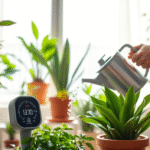
“The garden is a love song, a duet between a human being and Mother Nature.” – Jeff Cox
Busy mornings are exactly why a tiny plant routine works. Five minutes is enough to catch problems early, keep watering consistent, and stop the slow “decline” that happens when you only notice plants after they look sad.
Morning is a practical sweet spot because if you do water, leaves and soil surfaces have time to dry during the day, which helps reduce disease issues and wasted water. :contentReference[oaicite:0]{index=0}
5-Minute Morning Plant Care Checklist (Skimmable Version)
| Minute | Task | What you’re checking |
|---|---|---|
| 0:00-1:00 | Fast scan | Wilting, yellow leaves, pests, soil smells |
| 1:00-2:30 | Soil test + water only if needed | Top 2-3 cm dry? Pot feels light? Water drains out? |
| 2:30-3:30 | Quick tidy | Remove dead leaves, clear fallen debris |
| 3:30-4:30 | Micro-adjust | Rotate 1/4 turn, pull plants off cold drafts/heat vents |
| 4:30-5:00 | One note | Anything to handle later (repot, pests, fertilizer) |
If you only do one thing: do the soil test first and avoid “just-in-case” watering. Many houseplant problems start with the soil staying wet too long. :contentReference[oaicite:1]{index=1}
Why a Quick Morning Plant Care Routine Matters
A short daily check prevents “surprise problems.” Pests, root issues, and watering mistakes are easier to fix when they’re small. Morning also makes it easier to keep a consistent light and watering rhythm (plants like predictable cycles).
Why morning is a smart time (not a magic rule)
If you water early, plants have the whole day to use moisture, and surfaces can dry out. That’s one reason many extension guides recommend morning watering for outdoor plants, and the logic carries well indoors when you’re watering the soil surface. :contentReference[oaicite:2]{index=2}
Essential Tools for a 5-Minute Routine

You don’t need a “plant room.” You need a small, repeatable setup.
- Small watering can or squeeze bottle (more control, less mess)
- Microfiber cloth or paper towels (wipe leaves, wipe pests quickly)
- Snips/scissors (dead leaves and quick trims)
- Catch tray or bowl (for leaf trash so you don’t walk around dripping)
- Optional: yellow sticky traps (great early warning for fungus gnats)
Keep these together near your plants. Speed comes from not hunting for tools.
The Perfect Morning Routine: Step-by-Step
Step 1: 60-second visual scan
- Leaves: new yellowing, spots, or limp stems
- Soil surface: moldy smell, standing water in saucers, fungus gnats
- Undersides: quick glance for tiny specks/webbing/cottony patches (pests hide where you don’t look first)
If you spot a pest issue, isolate the plant if you can. Separating a problem plant early prevents the “why are they all infested?” moment later. :contentReference[oaicite:3]{index=3}
Step 2: Soil test first, then water (only if needed)
Skip the calendar. Use a quick test:
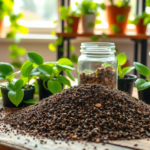
- Finger test: if the top 2-3 cm is dry, it may be time
- Pot weight: “light” usually means dry, “heavy” usually means still wet
When you water, water thoroughly so moisture reaches roots, then let the pot drain. Don’t leave pots sitting in water-filled saucers. :contentReference[oaicite:4]{index=4}
Two fast watering rules that prevent most mistakes
- Most plants: water, drain, empty the saucer
- Drought-tolerant plants (succulents/cacti): if unsure, wait a day and re-check (they prefer drier conditions)
Step 3: 60-second tidy (tiny maintenance, big payoff)
- Remove dead leaves and fallen debris (less fungus, fewer pests hiding)
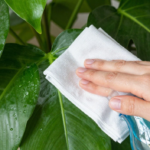
- Wipe obviously dusty leaves on 1-2 plants per day (rotate through your collection across the week)
Clean leaves can capture light more effectively. If your home gets dusty, a quick wipe is a simple “free upgrade” for plant performance. :contentReference[oaicite:5]{index=5}
Step 4: Rotate and reposition (15 seconds per plant)
Rotate a quarter turn a couple times per week (not necessarily daily) to encourage even growth. Also do a fast “environment check”:
- Too close to a radiator/heater? Move it a little back.
- Cold draft from a window/door? Shift it away from the direct airflow.
- Leaves pressed against a cold windowpane in winter? Give them space.
Step 5: One note (so small issues don’t become big ones)
Write one line in your phone notes (or a paper sticky note): “ZZ plant still wet,” “fungus gnats: traps,” “repot pothos weekend.” This is how busy people stay consistent without relying on memory.
If You Only Have 60 Seconds
- Scan leaves quickly (top and underside)
- Touch soil on the thirstiest-looking plant
- If dry: water and drain; if not dry: do nothing
This prevents the two biggest killers: ignoring pests until they spread, and watering plants that are already wet. :contentReference[oaicite:6]{index=6}
Weekly 10-Minute “Reset” That Makes the 5-Minute Routine Easier
- Empty and rinse drip trays/saucers
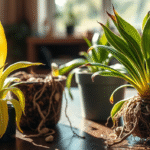
- Check for root crowding (roots circling the pot, soil drying too fast)
- Wipe a few leaves properly (especially big-leaf plants)
- Do a slower pest check (leaf joints, stems, undersides)
Plant-Specific Morning Care Tips
Succulents and cacti
They like long dry periods. Your “morning care” is mostly checking, not watering. If the pot still feels heavy or soil is cool/damp, skip.
Tropical houseplants
They’re more likely to show stress quickly (drooping, crispy tips). Watch for pests and dryness, and prioritize even moisture plus good drainage.
Herbs and edibles
They often need brighter light and more frequent watering than foliage plants. Morning checks help you catch “sudden thirst” before leaves get bitter or limp.
Troubleshooting Fast (Morning Decisions)
- Wilting + dry soil: water and drain
- Wilting + wet soil: don’t water; check drainage and root health later
- Yellow leaves + soggy soil smell: pause watering and inspect roots when you have time
- Sticky leaves or specks/webbing: isolate plant and start pest control
If you use any pest product (soap, horticultural oil, etc.), follow label directions and test on a small area first. When in doubt, isolating the plant and improving basic care buys you time. :contentReference[oaicite:7]{index=7}
FAQ
Do I need to water plants every morning?
No. Morning is for checking. Water only when your soil test says the pot is actually drying out. :contentReference[oaicite:8]{index=8}
Why do people recommend watering in the morning?
Morning watering helps reduce water loss (evaporation) and gives surfaces time to dry, which can reduce disease pressure. :contentReference[oaicite:9]{index=9}
What’s the fastest way to catch pests early?
Look under leaves and at leaf joints during your scan, and isolate anything suspicious. Early action is easier than “whole collection treatment.” :contentReference[oaicite:10]{index=10}
Should I mist plants in the morning?
Usually, focus on soil moisture and airflow first. If you mist, avoid leaving leaves wet for long periods. A humidifier or grouping plants is often more consistent than frequent misting.
How do I keep this routine from falling apart?
Make it frictionless: keep tools next to plants, tie the routine to coffee/toothbrushing, and use a simple note so you remember the “one thing” to handle later.
About the Author
Mohammed Zandar (yup.work90) writes practical, real-life plant care guides for busy people who want healthier indoor plants without complicated routines. His focus is simple systems: small daily checks, smart watering habits, and easy fixes that prevent common houseplant problems.